afriqueagritechdigital-morocco-2030europegovtechhub-technologiquesmart-citysouverainete-numeriqueAI EcosystemStartupMorocco
Why Morocco Has a Real AI Opportunity
Morocco is not starting from scratch. It already has a digital base, a strategic geographic position, a developing startup ecosystem, and public ambition for digital transformation.
Digital Morocco 2030 aims to accelerate digital transformation, promote innovation, and strengthen digital inclusion. This orientation provides a useful framework for companies, investors, universities, and public actors.
A Natural Positioning Between Europe and Africa
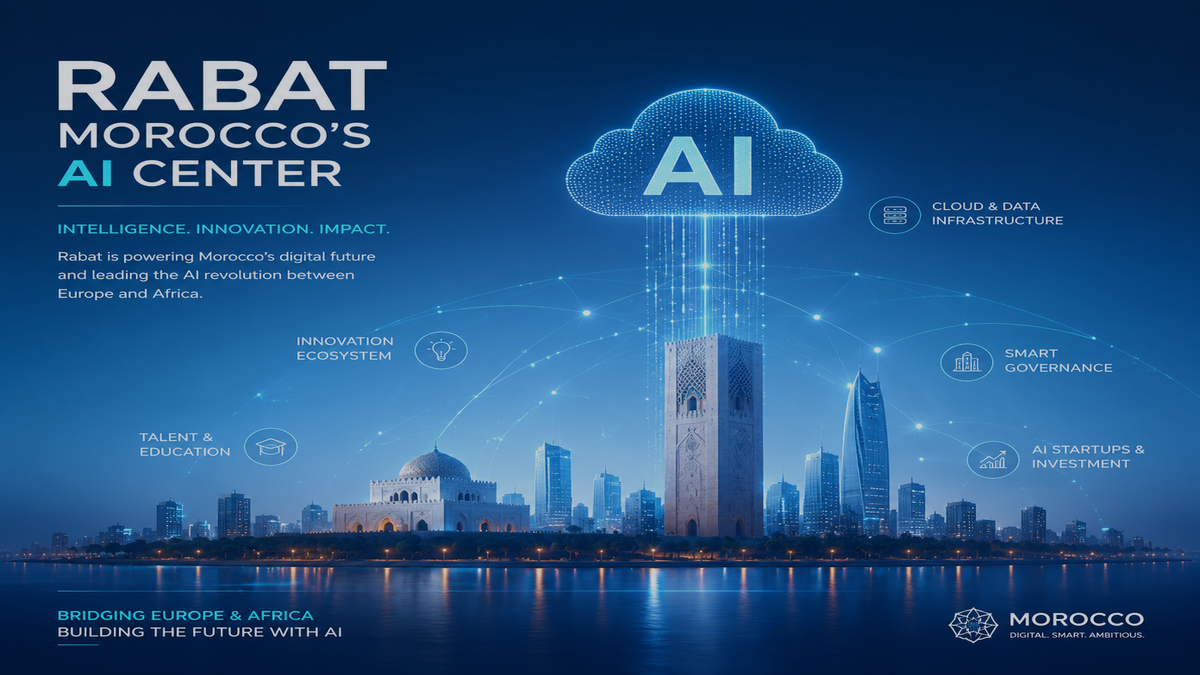
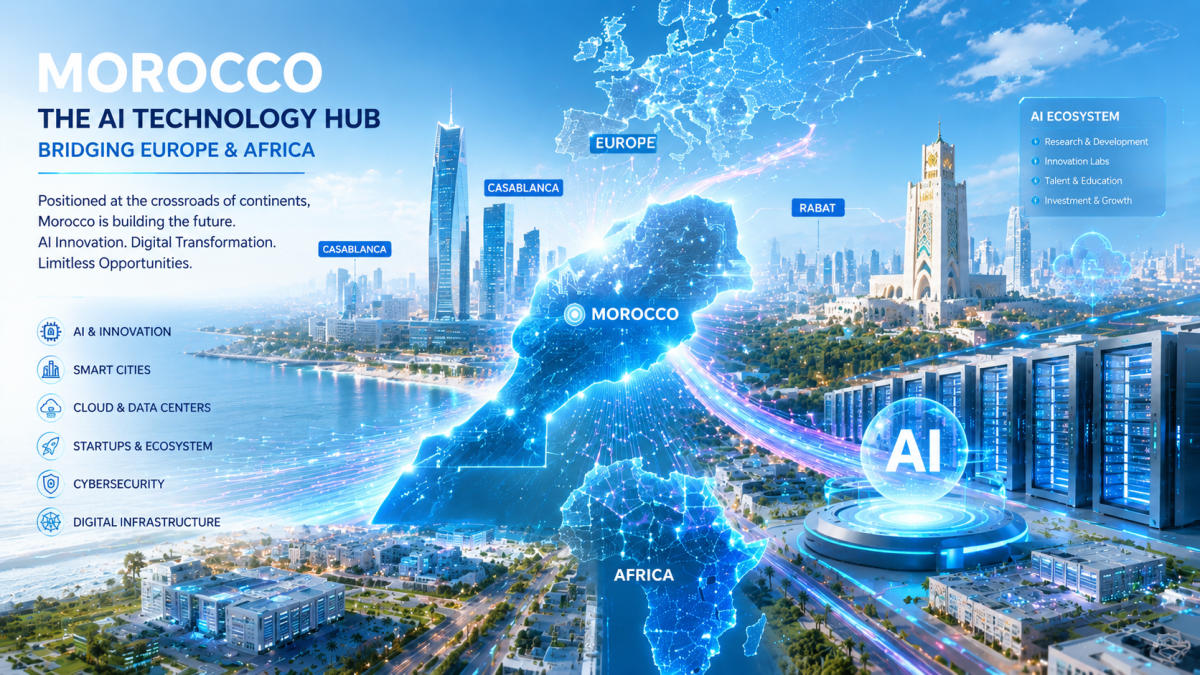
Morocco benefits from a geographical and diplomatic advantage. It can engage in dialogue with Europe, serve as an entry point to French-speaking Africa, and develop solutions adapted to local realities.
The launch of the EU-Morocco digital dialogue in April 2026 reinforces this logic. It notably covers artificial intelligence, digital infrastructure, innovation, startups, and digital public services.
The High-Impact Markets for AI in Morocco
Several sectors can accelerate their transformation through artificial intelligence, with real business models and immediate needs.
GovTech
Public administration can become a prime early client for AI. There are many use cases: document management, translation, citizen request analysis, procedure automation, decision support, and simplification of public services.
AgriTech
AI can help optimize water usage, anticipate climate risks, improve yields, and support a more resilient agriculture.
Industry and Logistics
Predictive maintenance, quality control, machine vision, supply chain optimization: these applications can strengthen the country's industrial competitiveness.
Customer Experience and Augmented BPO
Morocco already has a solid base in outsourcing and customer services. AI can transition this sector towards more qualified, multilingual, and high-value-added services.
Real Estate and Smart City
Real estate data analysis, energy efficiency, building management, smart maintenance, and automated rental services can become strong verticals.
Digital Sovereignty as a Central Challenge
Building an AI hub doesn't just mean using foreign tools. It also involves mastering data, infrastructure, skills, and certain critical use cases.
Digital sovereignty doesn't mean isolation. It means Morocco must be able to host sensitive data, develop local solutions, and negotiate with major tech players from a stronger position.
The Role of Talents in the Hub's Success
No technological hub can exist without talent. Morocco must train engineers, researchers, entrepreneurs, product managers, designers, and business profiles capable of using AI in concrete contexts.
But training is not enough. We also need to create places where these talents can meet, test ideas, access pilot clients, and turn prototypes into businesses.
Risks to Avoid
The first risk is staying at the announcement level. A technological hub is built by execution: pilot projects, funding, clients, demonstrators, partnerships, and measurable results.
The second risk is excessive dependency on foreign platforms. Morocco must capture part of the value: data, integration, training, services, products, and intellectual property.
The third risk is geographic concentration. To succeed, AI must touch multiple regions, universities, sectors, and types of businesses.
AH
Author
AI HUB Editorial
Research Desk